
Scaling Blind Challenges: A New Partnership with Radial and the Astera Institute
We are excited to announce that OpenADMET has received new grant funding from Radial, the life sciences division of the Astera Institute.

We are excited to announce that OpenADMET has received new grant funding from Radial, the life sciences division of the Astera Institute.

The heme-coming ball has begun
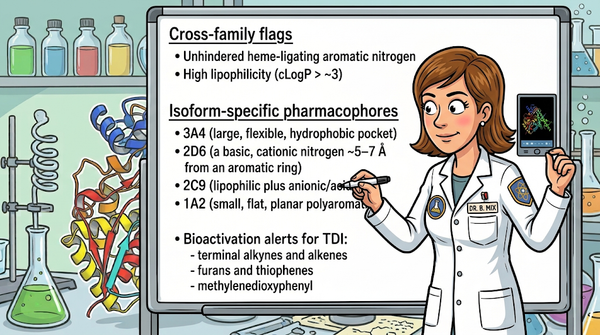
Medicinal chemistry groups frequently rely on mental lists of structural alerts to predict CYP inhibition, yet these heuristics are rarely tested against real data. What happens when we evaluate these alerts using 7,800 experimental measurements?
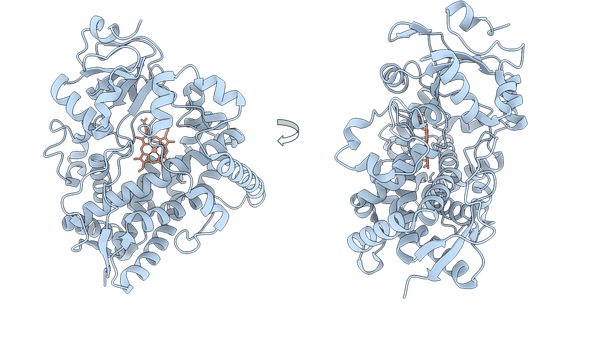
Who will be the Heme-coming queen?

News
Our quarterly newsletter detailing our progress, goals and priorities.

Models
Part 1 of a series on cofolding methods for ADMET targets: using structure prediction to model protein–ligand complexes for key Avoidome anti-targets like PXR and CYP3A4.
Blind Challenges
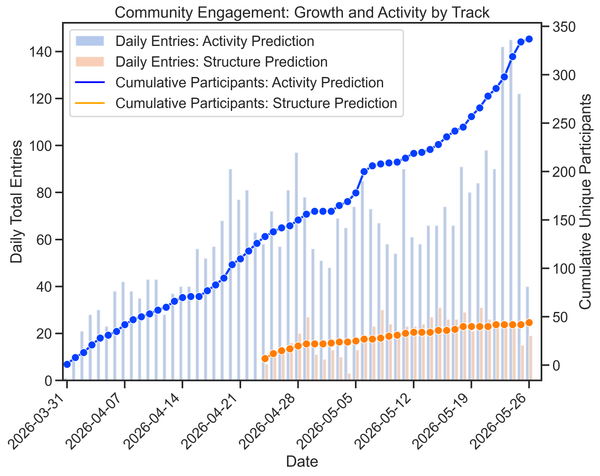
We're halfway through the PXR Blind Challenge: unblinding the first data, freezing the leaderboard, and stepping into Phase 2 — plus a look at the response so far and what's next.
Data
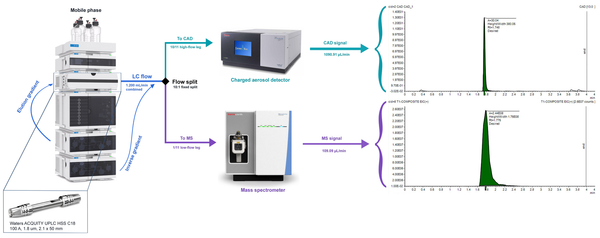
With Octant, we use direct-to-biology high-throughput chemistry and standard-free quantification to explore PXR chemical space far beyond commercial libraries, part of OpenADMET's effort to map the Avoidome.

Models
Synthesizing and assaying compounds is slow and costly. Sean Colby explores whether active learning can use what a model already knows to guide which pEC50 data to acquire next.

Blind Challenges
Benchmarks are everywhere in ML — but when is a leaderboard gap real? Jon Swain on the statistics of comparing blind challenge entries and separating genuine performance from noise.
Data
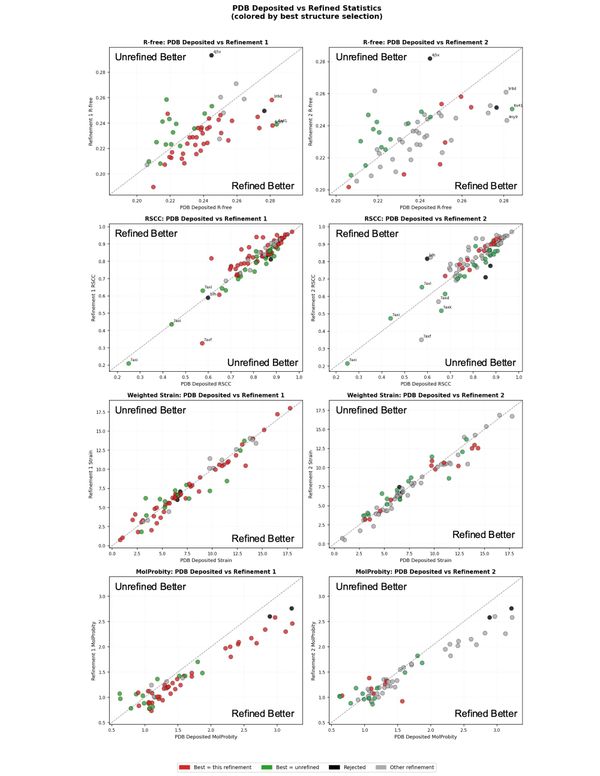
Improving 66 Pregnane X Receptor structures from the Protein Data Bank using modern refinement protocols to enhance ligand model quality.

Infrastructure
A step-by-step guide to setting up a consumer AMD GPU workstation with ROCm to run the full openadmet-models stack, including dual-boot Linux setup.